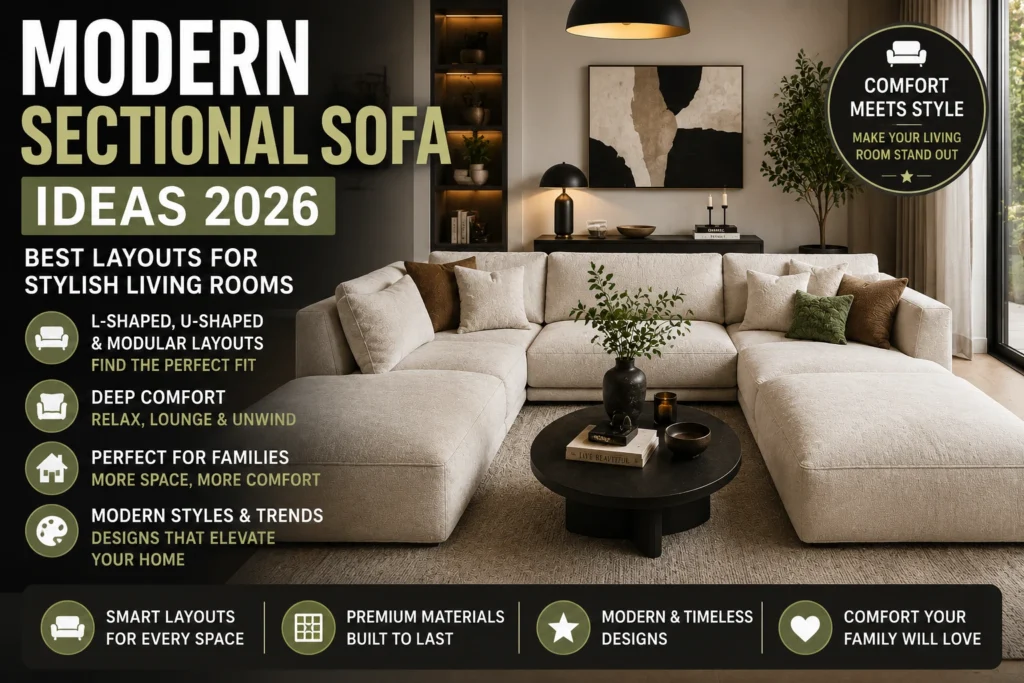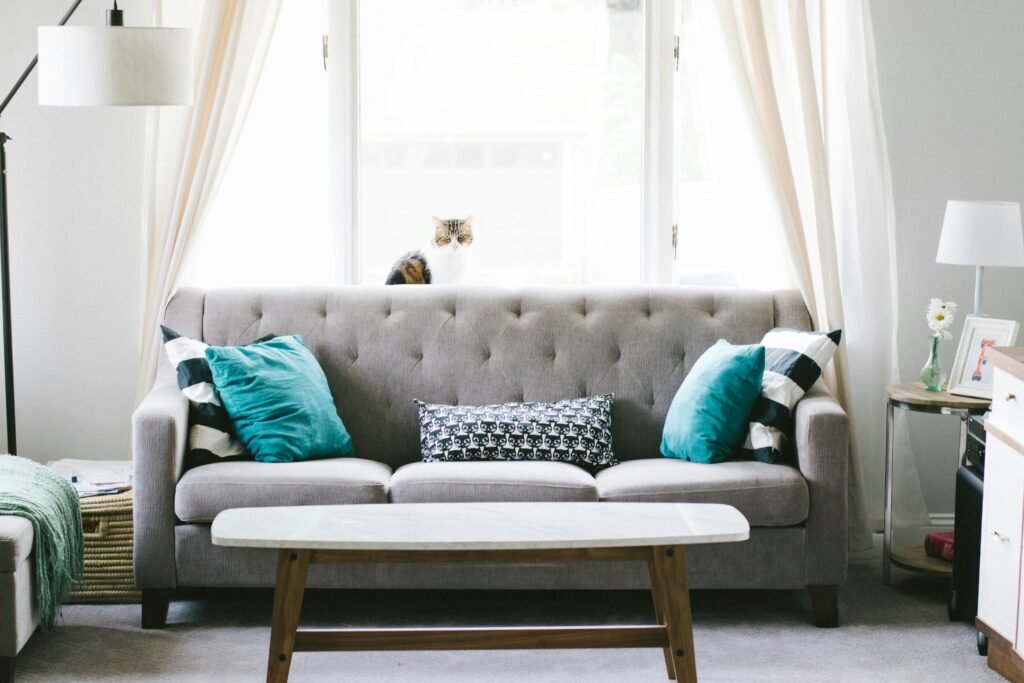
What Makes a Sofa the Centerpiece of Every Living Room?
Buying a new sofa often feels exciting at first, but many homeowners quickly realize it can also become surprisingly overwhelming once real-world decisions begin.
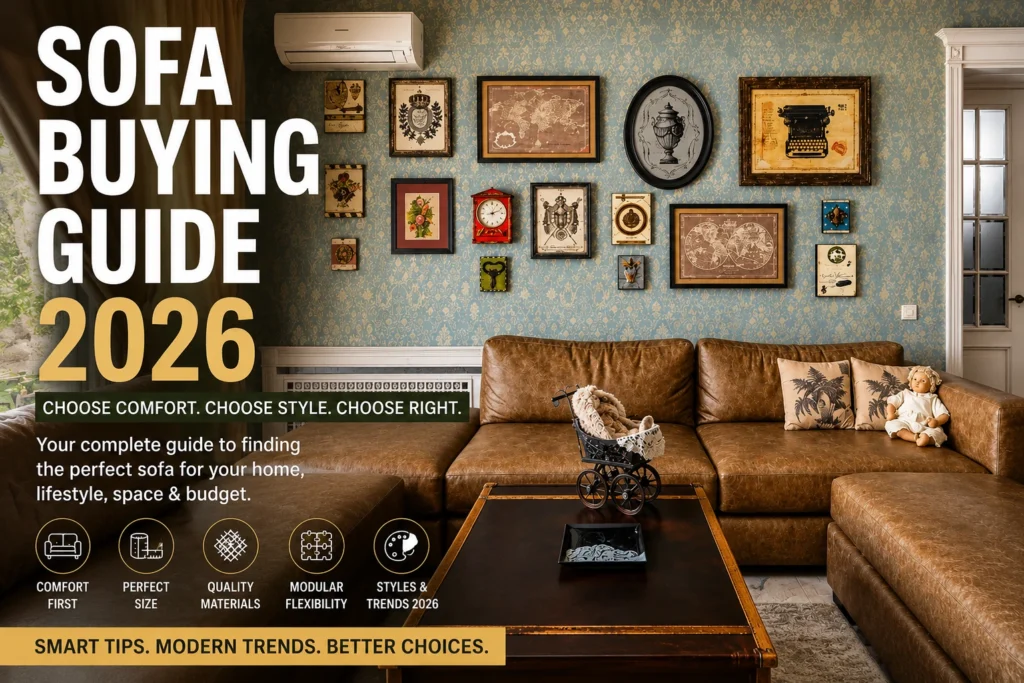
If you want a more complete sofa planning resource covering layouts, materials, durability, comfort, sectionals, apartment living, and long-term buying advice, our Complete Sofa Buying Guide 2026 explores the entire sofa buying process in much greater detail.
Choosing a sofa is a major investment. Don’t rely on guesswork—our free sofa size guide and calculator helps you match your specific room dimensions with the perfect sofa style.
A sofa is usually one of the most used pieces of furniture inside a home.
It’s where:
- families relax after long days
- guests gather during weekends
- movie nights happen
- and everyday routines slowly unfold over time
Because sofas affect both comfort and daily living so heavily, the right choice usually matters much more long-term than many people initially expect.
Things like:
- cushion support
- upholstery material
- sofa size
- durability
- and room layout
can completely change how enjoyable a sofa feels after several years of everyday use.
In this guide, we’ll explain how to choose the right sofa for your home, avoid common buying mistakes, and focus on the features that actually matter during real everyday living.
A sofa is more than just a piece of furniture — it’s where comfort meets lifestyle. It’s where families relax, friends gather, and design comes to life. Choosing the right sofa involves more than color or shape; it’s about finding the perfect balance between comfort, material, durability, and fit for your space.
If you’ve ever wondered “What type of sofa should I buy for my home?” — this guide answers that and more. Let’s explore the key sofa types, seating styles, and materials that define American homes in 2026.

Shoppers looking for a more budget-friendly option may also want to read our Woyomeub Sectional Sofa Review, where we cover comfort, layout flexibility, assembly, and overall value for everyday living.
Why Many People Regret Their Sofa Purchase
Many people focus heavily on sofa style during the buying process but overlook how the sofa will actually perform in everyday life. Problems like uncomfortable seat depth, poor fabric durability, oversized layouts, and weak frame support often become noticeable only after months of regular use.
A sofa should fit your lifestyle, room size, comfort preferences, and long-term expectations — not just current design trends.
What Matters More Than Sofa Style
While appearance matters, comfort, durability, room flow, and long-term support usually have a bigger impact on daily satisfaction. A visually trendy sofa may not always provide the seating comfort or practicality needed for busy households.
Before focusing on colors or aesthetics, buyers should first consider how the sofa will be used every day.
Sofa materials also affect long-term comfort, maintenance, and durability. Some fabrics work better for homes with pets, children, or heavy daily use, while others prioritize appearance over practicality.
Our leather vs fabric sofa comparison and family-friendly fabric guide explain these material differences in more detail.
Related guides:
How Your Lifestyle Should Influence Your Sofa Choice
The best sofa for one household may not work well for another. Families with children often prioritize durable fabrics and larger seating capacity, while apartment living may require compact layouts that improve movement and space efficiency.
People who entertain guests frequently may prefer deeper seating and larger sectionals, while minimalist homes may benefit from simpler low-profile designs.
Related guides:
Many homeowners now prefer compact modular sectionals because smaller U-shaped layouts can provide connected seating without requiring oversized living rooms. Our Best Modular Sectional Sofa U-Shaped Three Seating Capacity 2026 Review Guide explores practical seating arrangements designed for balanced everyday comfort.
Why Sofa Buying Is Changing in 2026
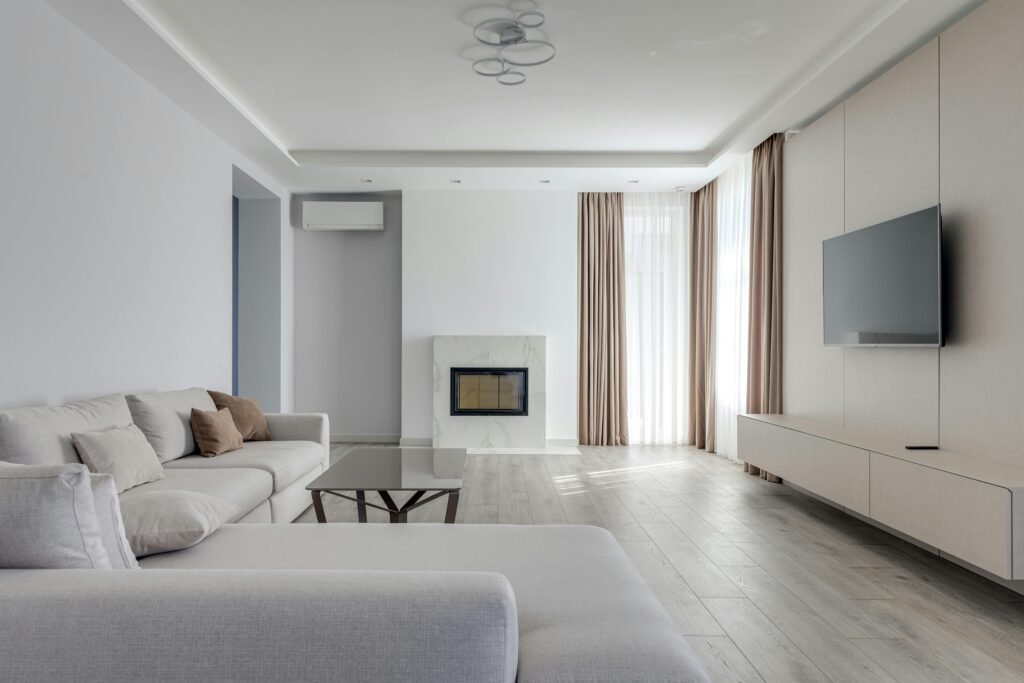
Modern homeowners are buying sofas differently in 2026 because living rooms are becoming more comfort-focused, apartment-friendly, and visually relaxing. Instead of choosing oversized traditional sofas, buyers now prioritize modular layouts, warm neutral fabrics, deep seating comfort, and multifunctional furniture that works naturally in modern homes.
Today’s sofa buyers now care more about:
- comfort-focused layouts
- apartment-friendly sizing
- modular flexibility
- warm neutral interiors
- minimalist aesthetics
- cozy modern styling
- visually lighter furniture
Modern sofas are now expected to combine comfort, flexibility, and contemporary design instead of simply filling space.
Related guides:
Recommended Buying Resource
Compare current deals across popular sofa categories:
- Best Modular Sectional Sofa Deals
- Best Recliner Sofa Deals
- Best Sleeper Sofa Deals
What Many Homeowners Regret Later
Many homeowners later realize that sofa comfort affects everyday life much more than expected after regular use begins.
Some people regret:
- buying oversized sectionals for smaller rooms
- focusing mostly on appearance
- choosing lower-quality cushions
- ignoring frame construction
- or selecting delicate upholstery materials that wear quickly
In many homes, long-term comfort eventually matters much more than trendy showroom styling alone.
Some homeowners also discover that sofas which initially felt soft and comfortable begin losing support surprisingly quickly after everyday living begins.
A sofa should ideally continue feeling:
- supportive
- relaxing
- practical
- and comfortable
even after years of regular use.
That’s why many experienced homeowners eventually prioritize:
- cushion quality
- upholstery durability
- proper sizing
- and long-term comfort
much more than appearance alone.
How to Check Sofa Quality
Many low-quality sofas initially feel comfortable inside showrooms but slowly lose support after regular daily use begins. Sagging cushions, weak frames, uneven seating, and poor upholstery wear often become noticeable much faster than expected. Our Signs of a Low-Quality Sofa guide explains the most common warning signs homeowners should look for before buying.
Choosing the Right Sofa Size
Many homeowners later regret buying sofas that technically fit the room but still make the layout feel crowded or difficult to move around comfortably every day. Proper measurements, walkway spacing, and room flow usually matter much more after real living begins. Our How to Measure for a Sectional Sofa guide explains how to avoid common sizing and layout mistakes.
Many homeowners later discover that sofas which looked comfortable online can feel much larger once placed inside compact apartments or smaller living rooms. Proper sizing and room balance often affect everyday comfort much more than expected. Our Best Sofa for Small Apartments guide explains how apartment-friendly sofas can improve room flow and long-term comfort.
What Sofa Sales Tactics Buyers Should Ignore
Large discounts, luxury-sounding marketing terms, and trendy online promotions do not always reflect actual sofa quality. Some heavily advertised sofas prioritize appearance over durability, support, or long-term comfort.
Buyers should focus more on frame quality, fabric durability, warranty details, and realistic comfort expectations instead of relying only on promotional claims.
What Makes a Sofa Comfortable Long-Term
Many homeowners only fully notice the importance of proper seat depth and cushion support after spending longer evenings relaxing, working remotely, or watching TV on the sofa every day.
Long-term sofa comfort often depends heavily on support quality and overall construction. Sofas that initially feel soft inside showrooms may lose comfort much faster after regular daily use begins.
Seat depth, cushion support, and back comfort all affect how relaxing a sofa feels over time. Some people prefer upright supportive seating, while others enjoy deeper lounge-style comfort for casual relaxation.
A durable sofa usually starts with a strong internal frame. Kiln-dried hardwood frames generally last longer than particleboard or lower-quality construction, especially in homes where sofas are used heavily every day.
Our guide on how long a good sofa should last explains more about durability, support, and long-term comfort expectations.
Common Sofa Buying Mistakes to Avoid
One of the most common sofa-buying mistakes is choosing style before comfort and functionality. Oversized sectionals can overwhelm smaller living rooms, while delicate fabrics may become difficult to maintain in busy homes with kids or pets.
Avoid these common sofa-buying mistakes:
- choosing oversized sectionals
- buying dark bulky sofas
- ignoring room measurements
- overcrowding furniture layouts
- choosing style over comfort
- using cool gray-heavy color palettes
- choosing style over comfort
- ignoring long-term comfort and daily use
Modern interiors now prioritize comfort-focused layouts and visually balanced furniture instead of oversized formal seating.
Some homeowners also underestimate delivery access, staircases, elevators, and doorway measurements until moving day becomes much more stressful than expected.
Related guides:
What Type of Sofa Works Best for Your Lifestyle?
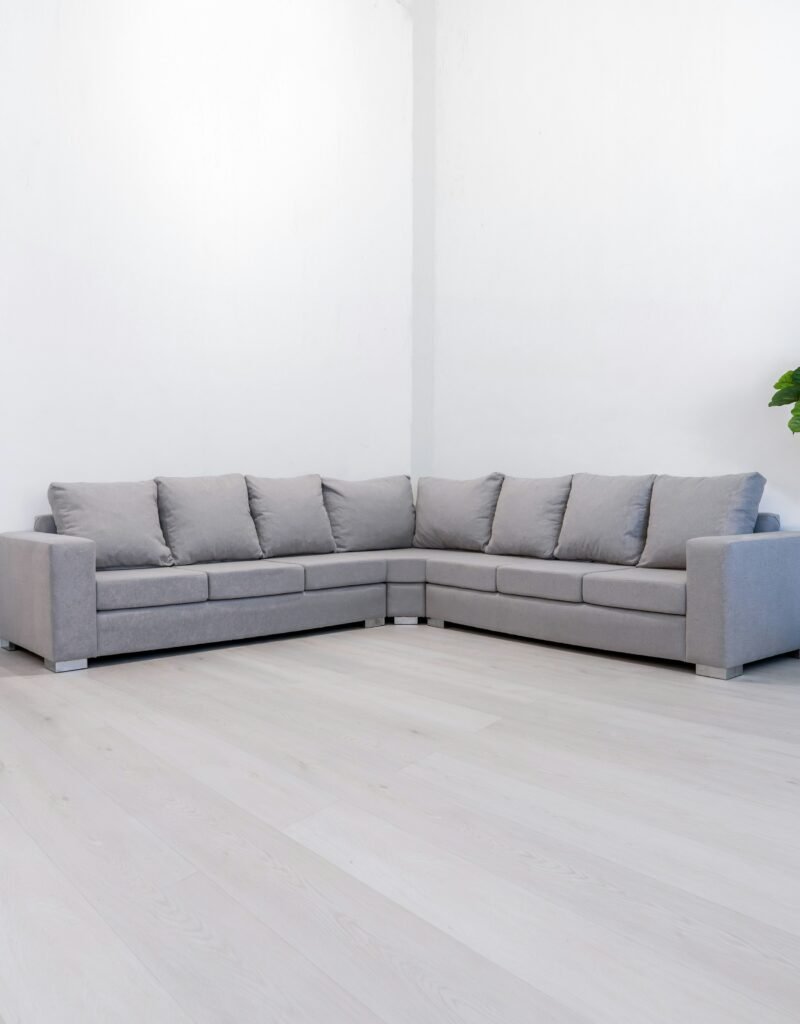
Different households often need very different types of sofas. Families may prioritize larger seating layouts and durable upholstery, while smaller homes usually benefit from space-conscious seating that improves movement and comfort.
Instead of focusing only on appearance, buyers should consider how the sofa will actually function during everyday life.
Comfort: What Really Matters When You Sit Down
Many homeowners only fully notice the importance of proper seat depth and cushion support after spending longer evenings relaxing, working remotely, or watching TV on the sofa every day.
Long-term sofa comfort often depends heavily on cushion density and support quality. Sofas that initially feel soft inside showrooms may lose support much faster after regular daily use begins. Our How Long Should a Good Sofa Last? guide explains how support and comfort change over time in real homes.
Sofa comfort depends on seat depth, cushion filling, and back support. Here’s how to choose the right feel:
1. Seat Depth
- Shallow vs Deep Seating
2. Frame and Support
A sturdy sofa frame ensures it lasts for years.
Look for:
- Solid hardwood or reinforced metal frames
How Room Size Affects Sofa Comfort and Layout
Room size plays a major role in how comfortable and functional a sofa feels over time. Oversized seating can make smaller living rooms feel crowded and difficult to navigate, while furniture that is too small may leave larger spaces feeling incomplete.
Instead of focusing only on appearance, homeowners should think about movement space, seating needs, natural room flow, and how the sofa will actually be used during everyday life.
Smaller homes often benefit from simpler seating layouts that improve openness and flexibility, while larger living rooms can usually support deeper seating and more relaxed gathering spaces.
Related guides:
How to Choose the Right Sofa for Your Home
Before buying a sofa, it’s important to think beyond appearance alone. Comfort, room flow, maintenance expectations, and long-term daily use usually have a bigger impact on satisfaction than short-term design trends.
Room size plays a major role in how comfortable a sofa feels inside the home. Oversized seating can make smaller spaces feel crowded, while furniture that is too small may leave larger rooms feeling incomplete.
Lifestyle also matters when choosing the right sofa. Homes with children, pets, or heavy daily use often benefit from durable upholstery and supportive seating that maintains comfort over time.
Maintenance requirements should also be considered before purchasing. Some sofas require more frequent cleaning and care depending on the fabric type, household activity, and everyday usage habits.
Family-Friendly Sofa Tips
Homes with children or pets usually place much heavier daily stress on sofas than many homeowners initially expect. Upholstery materials that resist stains, scratches, pet hair, and everyday wear often help sofas stay comfortable much longer over time. Our Best Sofa Fabric for Pets and Kids guide explains which fabrics usually perform best in busy homes.
Sofa Care Tips for Long-Lasting Comfort
Keep your sofa looking and feeling new with these care habits:
- Vacuum cushions weekly to remove dust.
- Rotate and fluff pillows for even wear.
- Spot clean spills immediately.
- Avoid direct sunlight to prevent fading.
- Use armrest and seat covers if you have pets.
Many homeowners only fully understand the importance of cushion support, frame quality, and upholstery durability after living with a sofa for several years. A sofa that still feels supportive and comfortable long-term usually reflects much better construction quality overall. Our How Long Should a Good Sofa Last? guide explains common signs of sofa wear and when it may be time for a replacement.
Even high-quality sofas slowly change over time, which is why regular cushion rotation and proper support maintenance can noticeably improve long-term comfort.
Who Should Avoid Trend-Focused Sofas?
Some trendy sofas look visually impressive online but may not work well for long-term daily comfort. Extremely low-profile seating, overly soft cushions, or delicate fabrics can sometimes become frustrating in busy homes with kids, pets, or heavy everyday use.
Choosing a sofa based on comfort, support, and realistic lifestyle needs is usually more important than following short-term furniture trends alone.
Practical Sofa Buying Checklist Before You Purchase
Before buying a sofa, make sure to evaluate:
- room size and layout
- seating capacity needs
- fabric durability
- frame construction
- cushion support
- delivery access
- cleaning requirements
- long-term comfort
- realistic budget expectations
Frequently Asked Questions
A quality sofa typically lasts between 7–15 years depending on frame construction, cushion support, upholstery durability, and how heavily the sofa is used every day.
A high-quality sofa usually includes a durable internal frame, supportive cushions, strong suspension support, and upholstery that maintains comfort over time. Kiln-dried hardwood frames generally last longer than lower-quality particleboard construction.
A. Before buying a sofa, prioritize comfort, room size, durability, and how the sofa fits your daily lifestyle. A sofa should not only match your design style but also provide long-term support and practical seating for everyday use.
A. Many homeowners regret choosing oversized sofas, ignoring room measurements, prioritizing appearance over comfort, or buying low-quality cushions that lose support quickly with daily use.
Related Sofa & Living Room Guides
You can also explore:
- Best Sofa Colors for Small Living Rooms 2026
- Are Recliner Sofas Still Modern in 2026?
- Make Small Living Room Look Bigger in 2026
Conclusion
The right sofa should support your daily lifestyle, comfort needs, and long-term living habits — not just current design trends. A practical, durable, and comfortable sofa often provides more long-term satisfaction than simply choosing the most visually impressive option.
Taking time to evaluate quality, room fit, and realistic everyday use can help prevent costly buying mistakes later.
A sofa quietly becomes part of everyday life much more than many homeowners initially expect. It’s where people relax after long days, spend time with family, and slowly build everyday routines over the years. Because of that, choosing the right sofa usually matters much more long-term than appearance alone.
Many homeowners only fully understand how important sofa comfort, support, sizing, and durability are after everyday living begins. For a deeper breakdown of sofa materials, layouts, quality, upholstery, and long-term comfort planning, explore our Complete Sofa Buying Guide 2026.
Keep your needs, space, and design preferences in mind — and your sofa will not just fill your room, but complete it.
The best sofa usually isn’t the trendiest one online — it’s the one that continues feeling comfortable, supportive, and practical during real everyday living.
If you’re researching premium modular sofas before making a purchase, our Hay Mags Soft Modular Sofa Review explains comfort, construction quality, and long-term ownership expectations.
Comparing two similar sofas can be challenging. Our Hay Mags Soft vs Regular Mags comparison helps buyers understand the differences in comfort, support, and everyday usability.
Why Trust FurniSavings
At FurniSavings, we focus on creating practical furniture guides designed around real everyday living.
Our content is built to help readers better understand:
- sofa comfort
- apartment layouts
- furniture durability
- compact living solutions
- modern furniture trends
- and practical buying decisions for real homes
We understand that shopping for furniture online can sometimes feel overwhelming, especially when balancing comfort, style, and limited living space.
That’s why our goal is to simplify the process with content that feels:
- practical
- realistic
- easy to understand
- and genuinely useful for modern homeowners
Instead of focusing only on trends, we prioritize comfort, functionality, durability, and the way furniture actually fits into real everyday life over time.

A dedicated furniture reviewer and home interiors writer with nearly a decade of experience evaluating sofas, bedroom sets, outdoor furniture, and storage solutions. Has reviewed 200+ products from brands including Ashley, Yitahome, and Amazon’s top sellers, helping thousands of U.S. homeowners make smarter buying decisions.